Psychosocial Hazards & Safety Australia
Psychosocial Hazards & Safety Australia is a specialist education and advisory partnership focused on preventing psychological injury, reducing human risk and improving safety outcomes in complex workplaces
Combined Professional History
Category
Years of Practice
Core Expertise
Accreditation & Recognition
Government & Public Sector Engagement
Sectors Served
Documentation Available
Psychosocial Hazards & Safety Australia
40+ years combined senior practice
Psychosocial hazard identification, trauma exposure, human-factor risk in operational settings
UK CPD-accredited programme (Panacea Pause)
Documented ministerial invitations and departmental meetings (2000–2025)
Health, justice, corporate, emergency services, aquatic and outdoor operations
Records retained for procurement and audit review
Kym Akers: Human Risk & Operational Safety
40+ years (qualified 1984)
Sports medicine-informed training, aquatic operations, emergency response, disability, veterans, equine and terrain risk
Full Recognition of Prior Learning (Fitlink); St John Ambulance; Queensland Ambulance Service; Royal Life Saving
Fitness industry gaps; diving and snorkelling fatalities; exercise and ageing
Disability services, veterans, over-55s programmes, workforce training, corporate
Employer letters, RPL documentation, operational history
Michelle Rowlinson: Hormonal Health & Psychosocial Risk
25+ years (professional practice since 2000)
Perimenopause & menopause, hormone–stress interaction, neurodiversity, workplace psychosocial safety
UK CPD-accredited education; Qualified Physiotherapist; NHS-delivered education
Menopause education reform; workforce policy; Indigenous engagement
NHS, Department for Work & Pensions, correctional facilities, Australian public sector
NHS references, ministerial correspondence
Psychosocial Hazards & Safety Australia
Years of Practice:
40+ years combined senior practice
Core Expertise:
Psychosocial hazard identification, trauma exposure, human-factor risk in operational settings
Accreditation & Recognition:
UK CPD-accredited programme (Panacea Pause)
Government & Public Sector Engagement:
Documented ministerial invitations and departmental meetings (2000–2025)
Sectors Served:
Health, justice, corporate, emergency services, aquatic and outdoor operations
Documentation Available:
Records retained for procurement and audit review
Kym Akers: Human Risk & Operational Safety
Years of Practice:
40+ years (qualified 1984)
Core Expertise:
Sports medicine-informed training, aquatic operations, emergency response, disability, veterans, equine and terrain risk
Accreditation & Recognition:
Full Recognition of Prior Learning (Fitlink); St John Ambulance; Queensland Ambulance Service; Royal Life Saving
Government & Public Sector Engagement:
Fitness industry gaps; diving and snorkelling fatalities; exercise and ageing
Sectors Served:
Disability services, veterans, over-55s programmes, workforce training, corporate
Documentation Available:
Employer letters, RPL documentation, operational history
Michelle Rowlinson: Hormonal Health & Psychosocial Risk
Years of Practice:
25+ years (professional practice since 2000)
Core Expertise:
Perimenopause & menopause, hormone–stress interaction, neurodiversity, workplace psychosocial safety
Accreditation & Recognition:
UK CPD-accredited education; Senior MSK Physiotherapist; NHS-delivered education
Government & Public Sector Engagement:
Menopause education reform; workforce policy; Indigenous engagement
Sectors Served:
NHS, Department for Work & Pensions, correctional facilities, Australian public sector
Documentation Available:
NHS references, ministerial correspondence
Meet The Team
Meet The Team
Human Risk, Operational Safety & Sports Medicine Practice
Kym has been formally qualified and practising since 1984 in sports medicine-informed training and emergency-aware environments, predating the Certificate III and IV framework by more than two decades.
She was qualified, insured and practising before the modern vocational packaging system existed and holds rare Full Recognition of Prior Learning (Fitlink), recognising senior standing rather than entry-level skills acquisition.
Her background includes decades of structured human movement across ballet, gymnastics, martial arts, skating and competitive dance. This foundation built an applied understanding of posture, load tolerance, fatigue, injury risk and stress response long before these principles entered standardised fitness curricula.
Kym’s early exposure to Australia’s ocean-based diving culture in the 1970s, followed by work in commercial dive operations in Cairns, informs a clear professional position: controlled environments do not adequately prepare individuals for real-world panic, environmental stress or cognitive shutdown under pressure.
Kym Akers
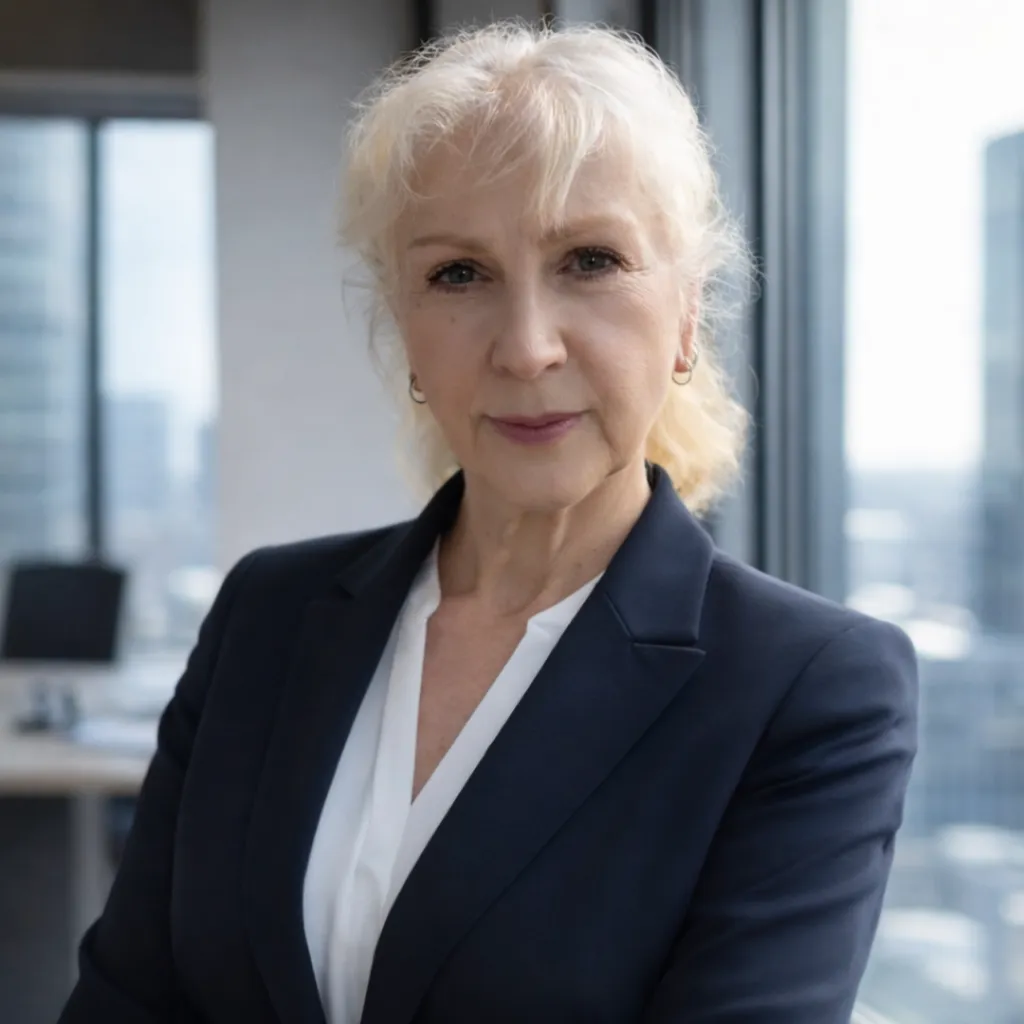
Kym Akers
Her cross-sector work includes:
Adults with disability
Vietnam veterans and trauma-exposed populations
Over-55s community strength and balance programmes
Youth athletes competing internationally
Certificate III and IV workforce delivery
Corporate risk environments in Melbourne and Brisbane
Human Risk, Operational Safety & Sports Medicine Practice
Kym has been formally qualified and practising since 1984 in sports medicine-informed training and emergency-aware environments, predating the Certificate III and IV framework by more than two decades.
She was qualified, insured and practising before the modern vocational packaging system existed and holds rare Full Recognition of Prior Learning (Fitlink), recognising senior standing rather than entry-level skills acquisition.
Her background includes decades of structured human movement across ballet, gymnastics, martial arts, skating and competitive dance. This foundation built an applied understanding of posture, load tolerance, fatigue, injury risk and stress response long before these principles entered standardised fitness curricula.
Kym’s early exposure to Australia’s ocean-based diving culture in the 1970s, followed by work in commercial dive operations in Cairns, informs a clear professional position: controlled environments do not adequately prepare individuals for real-world panic, environmental stress or cognitive shutdown under pressure.
Her cross-sector work includes:
Adults with disability
Vietnam veterans and trauma-exposed populations
Over-55s community strength and balance programmes
Youth athletes competing internationally
Certificate III and IV workforce delivery
Corporate risk environments in Melbourne and Brisbane
Government and departmental engagement has included:
Fitness industry gaps
She has been invited into government and departmental processes regarding:
Fitness industry gaps
Exercise and ageing

Exercise and ageing
High numbers of deaths in scuba diving and snorkelling
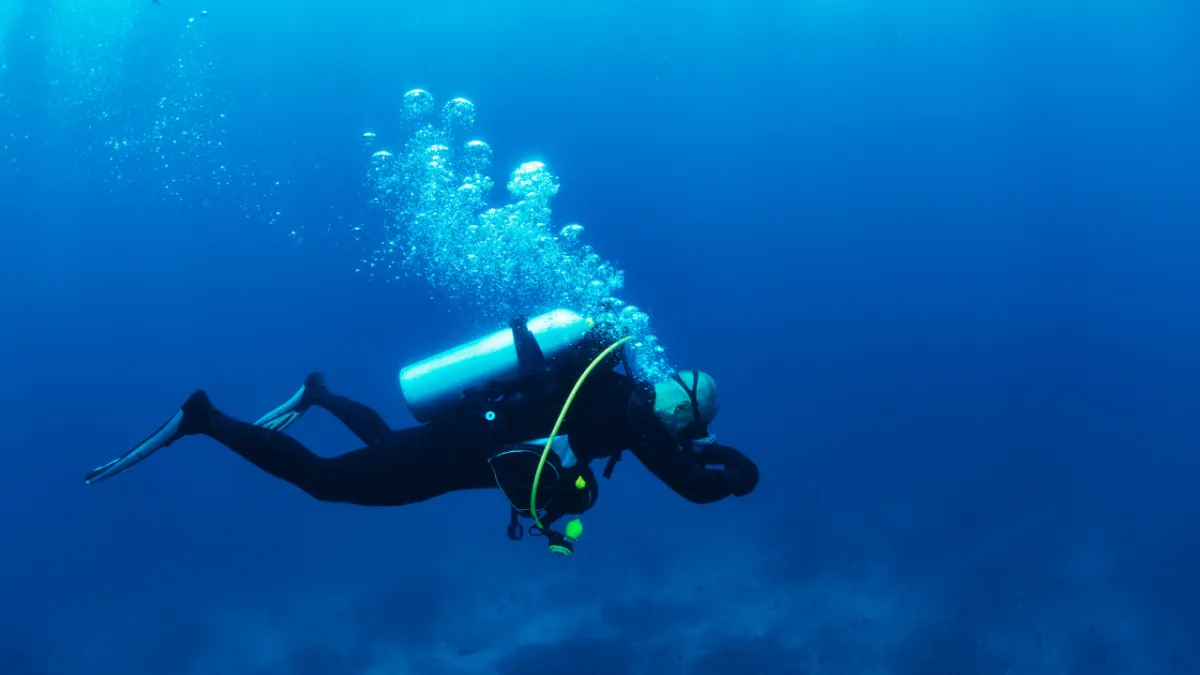
High numbers of deaths in scuba diving and snorkelling
Workforce and training reform

Workforce and training reform
Her equine and remote terrain experience extends her applied risk understanding into uncontrolled environments where fear response and imbalance materially affect safety.
Her equine and remote terrain experience extends her applied risk understanding into uncontrolled environments where fear response and imbalance materially affect safety.
Michelle Rowlinson

Hormonal Health, Menopause & Psychosocial Risk
Michelle Rowlinson is a senior musculoskeletal physiotherapist, menopause and wellbeing practitioner, educator and author specialising in the intersection of hormonal health, nervous system regulation and workplace performance.
She is the founder of Panacea Pause, a CPD-accredited education and training programme that integrates hormonal health, stress physiology and psychosocial risk awareness within modern workplaces.
Michelle’s work bridges clinical rehabilitation, behavioural science and organisational wellbeing. She supports organisations to understand how hormonal change, chronic stress exposure, fatigue, trauma load and neurodiversity can materially affect cognition, emotional regulation, decision-making and workforce retention.
Michelle Rowlinson
Hormonal Health, Menopause & Psychosocial Risk
Michelle Rowlinson is a senior musculoskeletal physiotherapist, menopause and wellbeing practitioner, educator and author specialising in the intersection of hormonal health, nervous system regulation and workplace performance.
She is the founder of Panacea Pause, a CPD-accredited education and training programme that integrates hormonal health, stress physiology and psychosocial risk awareness within modern workplaces.
Michelle’s work bridges clinical rehabilitation, behavioural science and organisational wellbeing. She supports organisations to understand how hormonal change, chronic stress exposure, fatigue, trauma load and neurodiversity can materially affect cognition, emotional regulation, decision-making and workforce retention.
Her expertise spans:
Her expertise spans:
Perimenopause and menopause within workplace and organisational contexts
Hormone–stress–fatigue interaction and nervous system regulation
Sleep disruption, cognitive variability and executive function changes
The impact of cumulative stress load on hormonal stability and performance
How menopause affects neurodiverse women, particularly those with ADHD and autism
Inclusive hormonal health education for transgender and non-binary individuals
Whole-person wellbeing, including nutrition, movement, exercise prescription, mindset, stress management, mind–body connection and evidence-informed holistic approaches
Perimenopause and menopause within workplace and organisational contexts
Hormone–stress–fatigue interaction and nervous system regulation
Sleep disruption, cognitive variability and executive function changes
The impact of cumulative stress load on hormonal stability and performance
How menopause affects neurodiverse women, particularly those with ADHD and autism
Inclusive hormonal health education for transgender and non-binary individuals
Whole-person wellbeing, including nutrition, movement, exercise prescription, mindset, stress management, mind–body connection and evidence-informed holistic approaches
She is also:
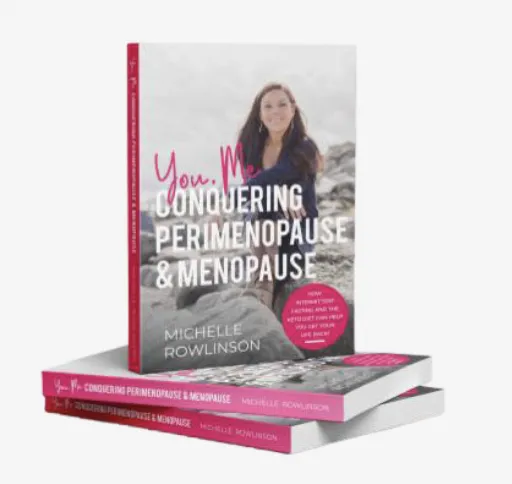
Best Selling Author
"You, Me Conquering Perimenopause & menopause"
She is also:
Best Selling Author
"You, Me Conquering Perimenopause & menopause"
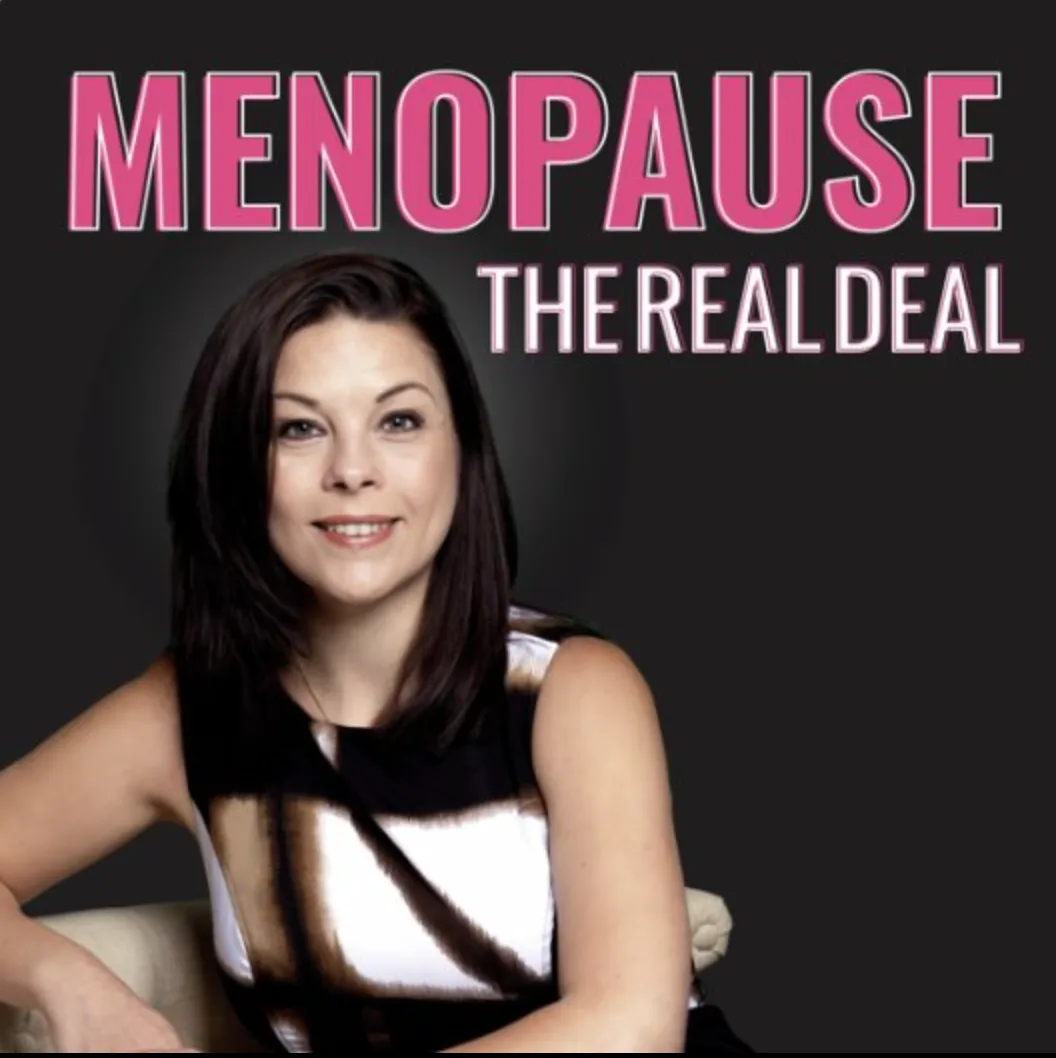
Podcast host
Menopause – The Real Deal, where she cuts through misinformation and delivers honest, evidence-informed conversations about hormonal health, performance and wellbeing for women and organisations.
Podcast host
Menopause – The Real Deal, where she cuts through misinformation and delivers honest, evidence-informed conversations about hormonal health, performance and wellbeing for women and organisations.
Government & Ministerial Engagement
The following reflects documented invitations, meetings and formal correspondence. Listing does not imply endorsement.
Year / Date
2000
2004
2017
19 Feb 2025
2025
2025
2025
5 Jun 2025
5 Jun 2025
Office / Individual
Queensland Minister Judy Spence
Minister of Health, Japan
Queensland Minister Grace Grace
Office of Senator Malarndirri McCarthy
Assistant Minister Ged Kearney
Minister Jodie Harrison
Alex Allars
Queensland Public Sector Commission
Victorian Department of Health
Context
Queensland fitness industry gaps
Exercise and ageing
High numbers of deaths in scuba diving and snorkelling
Menopause education and Indigenous engagement
Workforce and menopause education correspondence invitation
Workforce and menopause education reform
Workforce and training engagement
Workplace and policy gaps
Workplace and policy gaps
| Year / Date | Office / Individual | Context |
|---|---|---|
| 2000 | Queensland Minister Judy Spence | Queensland fitness industry gaps |
| 2004 | Minister of Health, Japan | Exercise and ageing |
| 2017 | Queensland Minister Grace Grace | High numbers of deaths in scuba diving and snorkelling |
| 19 Feb 2025 | Office of Senator Malarndirri McCarthy | Menopause education and Indigenous engagement |
| 2025 | Assistant Minister Ged Kearney | Workforce and menopause education correspondence invitation |
| 2025 | Minister Jodie Harrison | Workforce and menopause education reform |
| 2025 | Alex Allars | Workforce and training engagement |
| 5 Jun 2025 | Queensland Public Sector Commission | Workplace and policy gaps |
| 5 Jun 2025 | Victorian Department of Health | Workplace and policy gaps |
Queensland Minister Judy Spence
2000
Queensland fitness industry gaps
Minister of Health, Japan
2004
Exercise and ageing
Queensland Minister Grace Grace
2017
High numbers of deaths in scuba diving and snorkelling
Office of Senator Malarndirri McCarthy
19 Feb 2025
Menopause education and Indigenous engagement
Assistant Minister Ged Kearney
2025
Workforce and menopause education correspondence invitation
Minister Jodie Harrison
2025
Workforce and menopause education reform
Alex Allars
2025
Workforce and training engagement
Queensland Public Sector Commission
5 Jun 2025
Workplace and policy gaps
Victorian Department of Health
5 Jun 2025
Workplace and policy gaps