Psychosocial Hazards & Safety Australia
Where Psychosocial Hazards Become Measurable Human Risk
Human Risk Includes Hormonal Variability.
Standards Australia
Proposal P-005306 is currently under review by the Standards Australia SF-001 Committee.
40 Years of Operational Practice
PHSA draws on four decades of operational practice across Australian and international
sectors and jurisdictions.
Psychosocial Hazards
& Safety Australia
Where Psychosocial Hazards Become Measurable Human Risk
Human Risk Includes Hormonal Variability.
Standards Australia
Proposal P-005306 is currently under review by the Standards Australia SF-001 Committee.
40 Years of Operational Practice
PHSA draws on four decades of operational practice across Australian and international
sectors and jurisdictions.
PHSA's methodologies, translation matrices, implementation frameworks and associated intellectual property are
proprietary and are not published
in full on this website.
What We Provide
Defensible Psychosocial Risk Controls (WHS 2022–2026)
Evidence-led. Regulator-aligned. Operationally practical.
What We Provide
Defensible Psychosocial Risk Controls (WHS 2022–2026)
Evidence-led. Regulator-aligned. Operationally practical.
Hormonal, Neurodivergent and Gender-Diverse Risk
Under Workplace Stress

Our work explicitly addresses the interaction between hormonal physiology, neurodivergence, and psychosocial stressors in workplace and operational settings, including:
Perimenopause, menopause, post-menopausal transition, and associated changes in stress reactivity, fatigue, cognition, and recovery.
Andropause and age-related hormonal change affecting concentration, emotional regulation, and injury risk.
Autism and ADHD, including heightened sensory load, altered stress processing, executive function fatigue, and escalation risk under pressure
The compounding effects of hormonal fluctuation on autistic and ADHD individuals during sustained cognitive or emotional load.
Transgender and non-binary individuals, including the physiological, thermoregulatory, and stress-response implications of hormone therapy.
Sex-based differences in autonomic response, recovery capacity, and threshold to overload or shutdown.
These factors materially affect decision-making, communication, fatigue tolerance, and safety outcomes under workplace stress, yet are routinely excluded from standard WHS risk assessments, training models, and audit frameworks.
Most safety and training frameworks are built around stable physiology and predictable behaviour.
They rarely account for fluctuating hormonal states, neurodivergent stress processing, or cumulative cognitive load under pressure.
As a result, foreseeable psychosocial hazards are often identified only after incidents occur.
Our work addresses this gap by integrating biological and neurophysiological realities into risk identification and control design
Hormonal, Neurodivergent and Gender-Diverse Risk Under Workplace Stress
Our work explicitly addresses the interaction between hormonal physiology, neurodivergence, and psychosocial stressors in workplace and operational settings, including:
Perimenopause, menopause, post-menopausal transition, and associated changes in stress reactivity, fatigue, cognition, and recovery.
Andropause and age-related hormonal change affecting concentration, emotional regulation, and injury risk.
Autism and ADHD, including heightened sensory load, altered stress processing, executive function fatigue, and escalation risk under pressure
The compounding effects of hormonal fluctuation on autistic and ADHD individuals during sustained cognitive or emotional load.
Transgender and non-binary individuals, including the physiological, thermoregulatory, and stress-response implications of hormone therapy.
Sex-based differences in autonomic response, recovery capacity, and threshold to overload or shutdown.
These factors materially affect decision-making, communication, fatigue tolerance, and safety outcomes under workplace stress, yet are routinely excluded from standard WHS risk assessments, training models, and audit frameworks.
Most safety and training frameworks are built around stable physiology and predictable behaviour.
They rarely account for fluctuating hormonal states, neurodivergent stress processing, or cumulative cognitive load under pressure.
As a result, foreseeable psychosocial hazards are often identified only after incidents occur.
Our work addresses this gap by integrating biological and neurophysiological realities into risk identification and control design
Industries & Sectors We Support

Construction &
Infrastructure

Manufacturing & Industrial Operations

Warehousing, Logistics & Distribution
Institutional Engagement
Standards Australia Proposal
P-005306
Proposal P-005306 is currently under review by the Standards Australia SF-001 Committee. The proposal examines the translation of psychosocial hazards into physiological, behavioural and human risk outcomes.
Workforce Capability Application
PHSA operates at the intersection of psychosocial hazards, physiological translation, and operational human risk. This work has identified applications across health, corrections, sport, disability, education, emergency services and broader workforce environments.
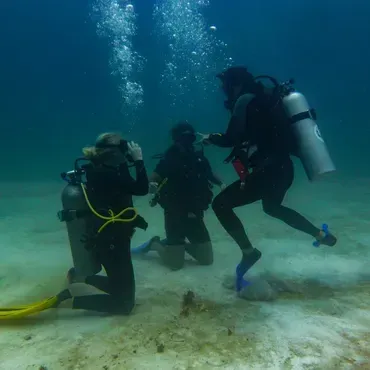
Underwater &
Marine Operations

Outdoor Adventure & Expedition Work

Office & Professional Services Environments
Institutional Engagement
Standards Australia Proposal P-005306
Proposal P-005306 is currently under review by the Standards Australia SF-001 Committee. The proposal examines the translation of psychosocial hazards into physiological, behavioural and human risk outcomes.
Workforce Capability Application
PHSA operates at the intersection of psychosocial hazards, physiological translation, and operational human risk. This work has identified applications across health, corrections, sport, disability, education, emergency services and broader workforce environments.
PHSA's methodologies, translation matrices, implementation frameworks and associated intellectual property are proprietary and are not published in full on this website.
Who This Work Is
Designed For
Who This Work Is
Designed For
Our work explicitly addresses the interaction between hormonal physiology, neurodivergence, and psychosocial stressors in workplace and operational settings, including:
Safety-critical and high-risk workplaces
Organisations with mixed-ability, ageing, or neurodivergent workforces
Sectors where fatigue, cognitive load, or emotional labour are inherent
Organisations subject to WHS, ISO, or external assurance scrutiny
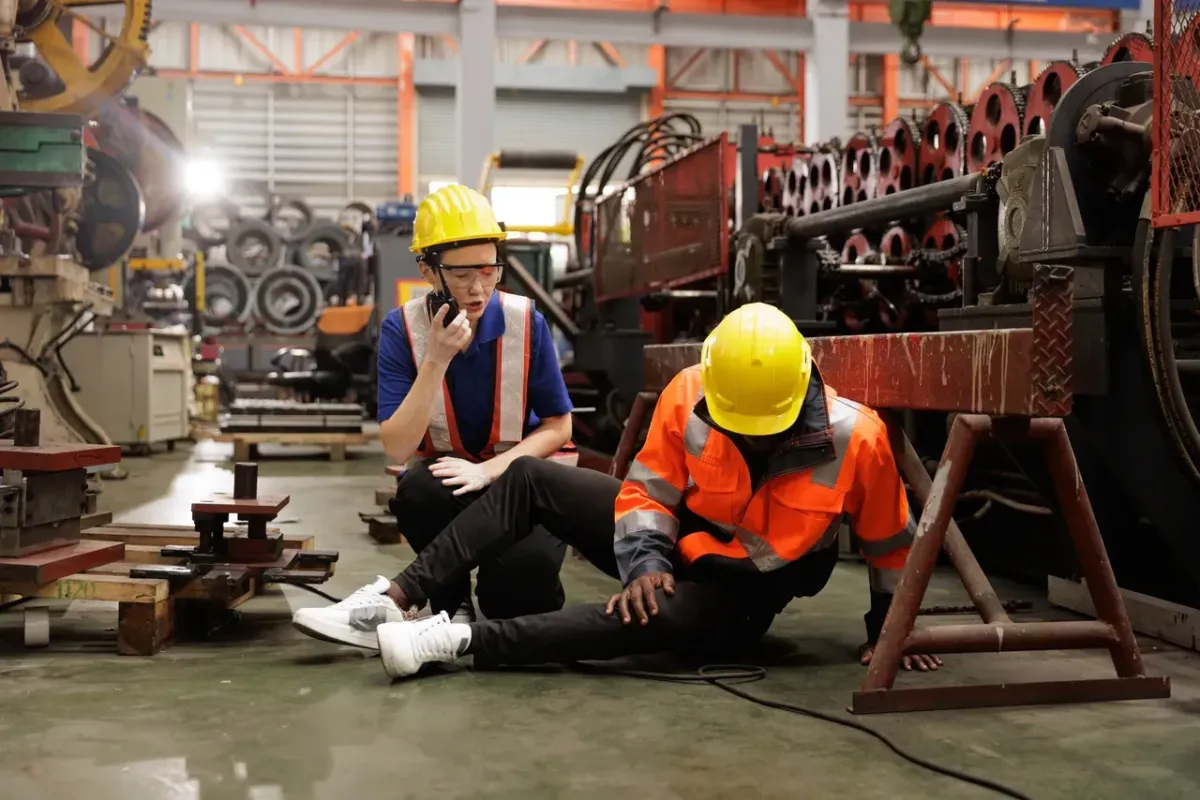
This is not a generic wellbeing provision. It addresses foreseeable risk where failure has consequences for worker safety, regulatory exposure, operational continuity, and leadership accountability.
We acknowledge the Traditional Owners of the lands on which we work and recognise their continuing connection to land, waters and community. We pay our respects to Elders past and present.
Contact us
Speak with a psychosocial risk specialist about your organisation.
Whether you are responding to regulatory change, investigating emerging risk, or strengthening your WHS framework, we can help you understand exposure and implement defensible controls.
Complete the form or book a call to discuss:
Your industry and operating environment
Workforce risk factors
Compliance obligations
Current WHS systems
Training or audit requirements
Confidential inquiries welcomed. No obligation.